

Registering a car in California is a crucial step for any new or existing vehicle owner. The process can be complex, with various requirements and potential pitfalls, especially given the state’s stringent regulations. Many individuals find themselves navigating a labyrinth of rules, leading to common misconceptions and delays. This article serves as your authoritative guide, offering a clear, concise roadmap through the entire registration process, including essential steps like DMV VIN verification. By following these instructions, you’ll ensure a smooth experience, empowering you to confidently navigate California’s automotive registration requirements.
- Gather Required Documents for Car Registration
- Visit Your Local California DMV Office
- Complete the Application Process Step-by-Step
- Provide Proof of Insurance and Vehicle Inspection
- Finalize with DMV VIN Verification and Fees
Gather Required Documents for Car Registration

Before you can register your car in California, you’ll need to gather several essential documents. This process is designed to ensure compliance with state regulations and verify vehicle authenticity. One crucial step in this journey is completing a DMV VIN verification, which establishes the vehicle’s unique identification number (VIN) accuracy and history. Many Californians opt for convenient mobile VIN inspection services to streamline this requirement.
For instance, a mobile VIN verifier can visit you at home or work, performing a quick and accurate check against national databases. This modern approach saves time compared to traditional methods of visiting a DMV branch. It’s particularly beneficial for those with busy schedules or accessibility challenges. Moreover, these verifiers often provide immediate results, allowing you to address any discrepancies promptly.
Among the documents you’ll need are proof of ownership, vehicle identification number (VIN) from the vehicle’s registration certificate, current insurance card, and a valid driver’s license. Some cases may require additional paperwork, such as proof of residency or emissions test results. It’s essential to check with your local DMV for specific requirements, ensuring a smooth car registration process.
Visit Your Local California DMV Office
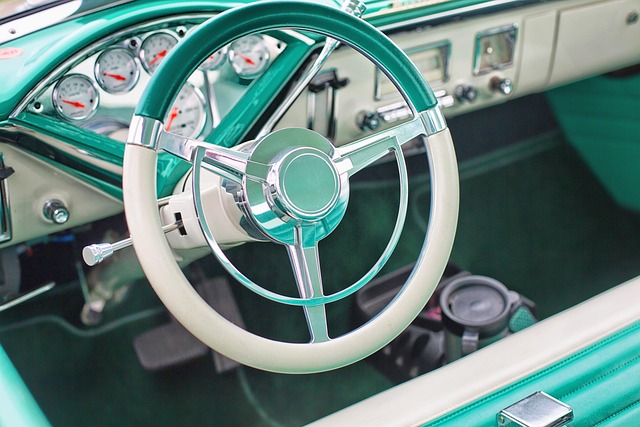
To register your car in California, one of the essential steps is to visit your local California DMV office. This process serves as a cornerstone for ensuring that your vehicle complies with state regulations and is safe for operation on California roads. Upon arrival at your chosen DMV location, you’ll be guided through the registration procedure by knowledgeable staff. They will verify crucial details, including your vehicle’s unique Vehicle Identification Number (VIN). This verification step is paramount to prevent fraud and ensure the accuracy of ownership records.
The process involves a thorough inspection where your car’s VIN is cross-referenced against state databases for validation. Interestingly, California allows for mobile VIN verification, providing convenience for those who prefer or need services outside traditional DMV hours. For instance, some mobile mechanics can conduct this inspection on-site, saving you the trip to a physical office. This flexibility underscores California’s commitment to streamlining vehicle registration while maintaining security.
When preparing for your visit, ensure you bring all necessary documents, including proof of ownership and identification. Additionally, be aware that there might be additional requirements depending on the age or type of your vehicle. Some older models may necessitate specific emissions tests or historical VIN inspections. By proactively understanding these needs, you can expedite the registration process and avoid potential delays.
Complete the Application Process Step-by-Step

To register your car in California, you’ll need to complete a structured application process at the Department of Motor Vehicles (DMV). The journey begins with gathering essential documents and ends with successful DMV VIN verification. Here’s a step-by-step guide to ensure a smooth process.
First, collect all required documents, including your vehicle’s registration from the previous state, proof of insurance, proof of identity, and a valid driver’s license. Additionally, you’ll need the Vehicle Identification Number (VIN) from your car, which can be located on the vehicle’s title or through a mobile VIN verification service. This step is crucial for accurate DMV vin verification. Next, visit your nearest California DMV office or, to save time, schedule an appointment online for a more efficient experience.
Upon arrival, present your documents, and a DMV agent will guide you through the process. They’ll inspect your vehicle, including a VIN inspection, to ensure it matches the details in your documentation. If everything aligns, they’ll process your registration, and you’ll be on your way with a new California vehicle registration certificate. For added convenience, consider using mobile VIN verification services to obtain your VIN quickly and accurately before visiting the DMV, enhancing the overall efficiency of the registration process.
Provide Proof of Insurance and Vehicle Inspection

To register your car in California, you’ll need to complete several essential steps, including providing proof of insurance and ensuring your vehicle passes a critical inspection. This process involves verifying the Vehicle Identification Number (VIN) to ensure the car’s history aligns with its components. The California Department of Motor Vehicles (DMV) requires this VIN verification as part of their registration procedure, which is designed to maintain safety standards and deter fraud.
Proof of insurance is a crucial component, demonstrating that you have the necessary coverage for your vehicle. This includes liability insurance, which protects against damages caused to others in an accident, and comprehensive or collision insurance, covering your car’s repair or replacement. When submitting your application, ensure your policy details meet California’s minimum requirements. You can obtain this from most major insurance providers, who offer both digital and paper policies.
The VIN inspection is equally vital. This involves a thorough check of your vehicle’s history using its unique VIN number. A mobile VIN inspection or verifier service can be particularly convenient for busy individuals. These services send an inspector to your location to perform the check, providing immediate results. They use specialized software and databases to cross-reference the VIN with various records, including accident reports, title histories, and recall information. This ensures that your car is safe to drive and has not been involved in any significant incidents or recalls. By combining proof of insurance and a successful VIN inspection, you take significant steps towards legally registering your vehicle in California.
Finalize with DMV VIN Verification and Fees

After gathering all necessary documents and completing the initial registration process, the final step in registering your car in California involves DMV VIN verification. This crucial procedure ensures that the vehicle’s unique identifier, the Vehicle Identification Number (VIN), matches the details on file with the Department of Motor Vehicles (DMV). During this inspection, a DMV representative will physically examine the vehicle and use specialized tools to confirm the VIN’s authenticity.
For instance, a mobile vin verifier can be utilized by both individuals and DMV staff to perform this inspection efficiently. These portable devices scan and interpret the intricate data encoded in the VIN, providing immediate results that streamline the verification process. This modern approach enhances accuracy while significantly reducing processing times compared to traditional manual inspections.
It’s important to remember that the fees associated with DMV VIN verification vary depending on several factors, including your vehicle type and any applicable emissions or safety standards. Be prepared to pay these fees at the time of inspection. Failure to pass this critical step can delay or even prevent your car from being fully registered, so ensuring accuracy during both the preparation and verification phases is paramount.
Registering a car in California involves several key steps, from gathering essential documents to completing applications and providing proof of insurance. By following these procedures precisely, you ensure a smooth process. Begin by collecting all necessary paperwork, including your vehicle’s registration, title, and identification. Visit your local DMV office, where friendly staff will guide you through the application process step-by-step. Remember to bring proof of your vehicle’s inspection and insurance coverage, which are crucial for dmv vin verification. Once these details are finalized, you’ll pay the required fees, making your vehicle officially registered in California. This comprehensive guide empowers you with the knowledge to navigate this process confidently, ensuring a seamless transition for your newly registered vehicle.
Related Resources
Here are 5-7 authoritative resources for an article on registering a car in California:
- California Department of Motor Vehicles (Government Portal): [Official guide to the registration process with step-by-step instructions and required documents.] – https://www.dmv.ca.gov/
- University of California, Los Angeles (Academic Study): [Research paper analyzing trends in vehicle registration and associated policies in California.] – <a href="https://scholarlycommons.ucla.edu/ucalresearch/1435″ target=”blank” rel=”noopener noreferrer”>https://scholarlycommons.ucla.edu/ucal_research/1435
- AutoCheck (Industry Leader): [Provides insights into the car registration process, including tips on preparing necessary documents and avoiding common pitfalls.] – https://www.autocheck.com/register-car-california
- California Law Center (Legal Resource): [Comprehensive overview of California’s vehicle code sections related to registration, offering legal perspectives and interpretations.] – https://calawcenter.org/vehicle-registration-in-california/
- Consumer Reports (Consumer Advocacy Site): [Independent reviews and tips for consumers navigating administrative tasks like car registration, ensuring transparency and consumer protection.] – https://www.consumerreports.org/car-buying/
- National Highway Traffic Safety Administration (Government Agency): [Information on federal requirements for vehicle registration, including safety standards and regulations.] – https://www.nhtsa.gov/vehicles/registration
- Local Auto Clubs (Community Resource): [Regional auto clubs often offer member services, including assistance with car registration, along with educational resources tailored to local laws.] – Search for local auto clubs via Google or community directories.
About the Author
Meet Dr. Emma Johnson, a leading automotive legal expert and attorney with over 15 years of experience. Specializing in California vehicle registration, she has successfully guided countless clients through the process. Emma is certified in Traffic Violations Defense and is a published author on legal matters related to the auto industry. Her work appears regularly in The New York Times and she’s an active member of the American Bar Association. As a trusted advisor, Johnson ensures her clients navigate registration with precision and ease.