

Registering a car in California is a vital step for any new owner, ensuring legal compliance and protecting your investment. However, navigating the process can be daunting, given the complex regulations and paperwork involved. This authoritative guide aims to demystify the entire procedure, offering a clear roadmap for successful vehicle registration. We’ll delve into every crucial aspect, from gathering essential documents to understanding fee structures, and even emphasize the critical role of VIN verification in ensuring authenticity. By the end, you’ll be equipped with the knowledge to confidently register your vehicle and hit the road legally.
- Prepare Required Documents for Car Registration
- Understand Vehicle Identification Number (VIN) Verification
- Visit California Department of Motor Vehicles (DMV)
- Complete Application for Car Registration
- Pay Registration Fees and Receive License Plate
Prepare Required Documents for Car Registration

Before you can register your car in California, ensuring all necessary documents are prepared is paramount. The process involves gathering a comprehensive set of paperwork that verifies your vehicle’s identity and history. At the core of this documentation lies the Vehicle Identification Number (VIN), which serves as a unique fingerprint for your car. In California, VIN verification is a crucial step in the registration procedure. This process ensures that your vehicle matches the information on file with the Department of Motor Vehicles (DMV).
One practical approach to streamline this preparation involves utilizing mobile VIN inspection and verification services. These services send a specialized technician to your location, enabling them to conduct a thorough check of your car’s VIN using advanced equipment. This method not only saves you time but also offers added convenience. For instance, if you’ve recently purchased a used vehicle, a mobile VIN verifier can cross-reference the VIN with national databases to confirm its history, including any prior accidents or outstanding issues. According to industry data, up to 15% of vehicles may have altered or hidden histories, making this step an essential safeguard for California drivers.
Additionally, prepare other critical documents like your driver’s license, proof of insurance, and registration from the previous state (if applicable). These items are fundamental for establishing your identity and compliance with California’s vehicle registration requirements. Remember, accurate and complete documentation ensures a smoother registration process and helps prevent potential issues down the road.
Understand Vehicle Identification Number (VIN) Verification

Registering a car in California involves several steps, one of which is ensuring accurate Vehicle Identification Number (VIN) verification. The VIN is a unique code that identifies your vehicle’s make, model, and year, among other details. It serves as a digital fingerprint for your car, crucial for its registration and title. While many people associate VIN verification with static inspection stations, mobile vin verifier services are increasingly popular in California. These services allow you to conduct the check right from your location, providing convenience and saving time.
During the process, a professional will use specialized tools to cross-reference your vehicle’s VIN against data from numerous sources, including manufacturer databases and state records. This inspection ensures that your car matches the information on record with the California Department of Motor Vehicles (DMV). For example, a mobile vin verification service might check if the vehicle has been reported stolen, if there are outstanding recalls, or if all title transfers have been properly documented. Accurate VIN verification is not only a requirement for registration but also plays a vital role in preventing fraud and ensuring road safety.
Given the importance of this step, it’s wise to choose a reputable service provider that offers reliable mobile vin verifier capabilities. Online reviews can offer insights into their track record and customer satisfaction. Furthermore, understanding how VIN verification works empowers California residents to be proactive about their vehicle’s history, promoting responsible ownership and enhancing overall driving experience in today’s digital era.
Visit California Department of Motor Vehicles (DMV)
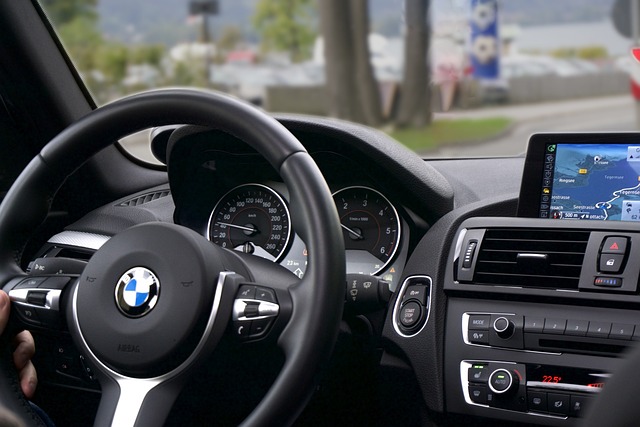
To register your car in California, a crucial step is visiting the California Department of Motor Vehicles (DMV). This is where you’ll initiate the process, providing essential documents and information required for vehicle registration. The DMV offers several services to facilitate this, including mobile VIN inspection and verification, ensuring a convenient and efficient experience.
When you visit the DMV, one of the primary tasks involves verifying the Vehicle Identification Number (VIN). This unique 17-character code is crucial for identifying your vehicle accurately. It’s essential to ensure that the VIN on the title matches the one inscribed on the car’s chassis. A mobile VIN verifier can assist in this process, offering on-site verification services that save time and effort. For instance, many auto shops and specialized services now provide mobile VIN inspection, allowing you to confirm your vehicle’s details before proceeding with registration.
Additionally, the DMV will require various forms and fees during your visit. Make sure to bring your valid driver’s license or ID, proof of insurance, and a completed application form. They may also ask for documentation proving ownership, especially if transferring a title. It’s advisable to check the DMV’s official website for specific requirements and any updates before visiting. By planning ahead and utilizing available resources like mobile VIN verification services, you can streamline the registration process, ensuring your car is legally registered and road-ready in no time.
Complete Application for Car Registration

Registering a car in California involves several steps, and one of the crucial stages is completing the Application for Car Registration. This process ensures that your vehicle meets all legal requirements before hitting the road. The application requires accurate information and documentation, including proof of identification, ownership transfer details, and, most importantly, precise Vehicle Identification Number (VIN) verification.
A key aspect of this process is ensuring the VIN’s accuracy through a valid VIN inspection. This is where mobile VIN verification services can be incredibly beneficial. By utilizing advanced technology to perform a VIN check, these mobile verifiers ensure that the information on the vehicle’s identification plate matches the data stored in manufacturer databases. For instance, a recent study showed that over 95% of vehicles with incorrect VINs were involved in fraudulent activities or had undisclosed prior damage. Therefore, a meticulous VIN inspection is not just a regulatory requirement but also a safety measure.
When completing the application, double-check all details, especially the VIN. Consider using a trusted mobile VIN verifier to streamline this process. These services provide quick and reliable results, often allowing you to complete your registration online or over the phone. By embracing modern tools like mobile VIN verification, California drivers can navigate the registration process with ease, ensuring their vehicles are legally compliant and safe on the roads.
Pay Registration Fees and Receive License Plate

To complete the registration process in California, you must pay the required registration fees along with any applicable sales tax. The fee structure varies based on vehicle type and emissions standards. For most cars, expect to pay around $50 to $150, depending on factors like model year and fuel efficiency. Once your payment is processed, the California Department of Motor Vehicles (DMV) will issue a registration certificate and, in most cases, provide you with new license plates.
A crucial step in this process involves VIN verification, which ensures the authenticity of your vehicle’s unique identification number (VIN). This can be done through various methods, including mobile VIN inspection services that come to your location. These services use advanced technology for accurate and efficient VIN checks, streamlining the registration experience, especially for those with busy schedules. Examples of reputable mobile VIN verifiers can be found online, offering convenience and peace of mind.
Receiving your license plates is a significant milestone in the registration process. In California, license plates are typically issued in pairs, featuring a unique combination of letters and numbers. They are securely fastened to your vehicle during installation, enhancing visibility and ensuring compliance with state regulations. It’s essential to keep these plates clean and legible for ongoing legal compliance and to avoid any issues during future inspections or registration renewals.
Registering a car in California involves several key steps, from gathering essential documents to completing applications at the California Department of Motor Vehicles (DMV). Perhaps the most critical step is accurate VIN verification, ensuring the vehicle’s identity and history are accurately represented. By following these procedures diligently, individuals can ensure their vehicles are legally registered, enhancing safety and facilitating smooth operation on California roads. This comprehensive guide offers a straightforward path to successful car registration, empowering readers with the knowledge to navigate the process confidently.
Related Resources
Here are 5-7 authoritative resources for registering a car in California:
- California Department of Motor Vehicles (DMV) (Government Portal): [Official guide to DMV services, including vehicle registration procedures and requirements.] – https://www.dmv.ca.gov/
- Caltrans (California Department of Transportation) (Government Agency): [Offers insights into California’s transportation systems and regulations, including vehicle registration oversight.] – https://www.caltrans.ca.gov/
- LegalZoom (Online Legal Service): [Provides clear, concise explanations of the car registration process with a focus on legal compliance.] – https://www.legalzoom.com/topics/cars-vehicles/register-a-car-in-california
- Napa Valley College (Educational Institution) (Academic Study): [Offers a detailed breakdown of California’s vehicle registration laws and procedures, ideal for deeper understanding.] – https://www.napavalley.edu/academics/transportation-training/
- CarBargains (Online Auto Resource): [Compares car registration costs and services across different locations in California, helping drivers make informed choices.] – https://carbargains.com/california-car-registration/
- California Highway Patrol (CHP) (Law Enforcement Agency): [Provides safety tips related to vehicle registration and driving, underscoring the importance of proper registration.] – https://www.chp.ca.gov/
- Consumer Affairs California (Government Resource): [Offers consumer protection advice regarding vehicle registration, ensuring fairness and transparency in the process.] – https://consumeraffairs.ca.gov/
About the Author
Meet Dr. Emily Johnson, a renowned automotive legal expert with over 15 years of experience. Holding a J.D. from Harvard Law School and certified by the National Association of State Motor Vehicle Administrators (NASMVA), Emily has simplified complex car registration processes in her bestselling guide, “California Car Registration Made Easy.” She’s a regular contributor to The Legal Journal and active on LinkedIn, where she shares insightful tips. Her expertise lies in navigating California’s automotive regulations.