

Registering a car in California is more than just a bureaucratic formality—it’s a crucial step for any new owner to ensure legal compliance, protection, and their vehicle’s long-term value. However, navigating the process can be a challenge, especially with evolving regulations and complex requirements. This comprehensive guide aims to demystify the car registration journey in California, offering expert insights on every step. From gathering essential documents to utilizing reliable VIN verifier tools, we’ll equip you with the knowledge needed to register your vehicle smoothly and confidently.
- Prepare Necessary Documents for Car Registration in California
- Understand Eligibility Requirements for Vehicle Registration
- Use a VIN Verifier to Check Vehicle History Before Purchase
- Gather Information and Submit Application for Car Registration
- Pay Registration Fees and Receive Your California Registration Papers
Prepare Necessary Documents for Car Registration in California

To register a car in California, you’ll need to gather several key documents. This process involves verifying critical information about your vehicle using reliable methods like a mobile VIN verifier or inspection. The Vehicle Identification Number (VIN), unique to every vehicle, plays a central role in this verification. Utilizing a mobile VIN verifier ensures accuracy and convenience during the registration process.
Before heading to the California Department of Motor Vehicles (DMV) office, confirm you have all required documents. This typically includes your vehicle’s title, proof of insurance, and valid identification like a driver’s license. Additionally, you’ll need a completed Vehicle Registration application form. A mobile VIN verification service can assist in checking your car’s history for any accidents or outstanding issues, making the registration process smoother. For instance, services like Carfax or AutoCheck provide detailed vehicle histories that can be accessed through their apps or online platforms.
During the inspection, the DMV official will use a mobile VIN scanner to cross-reference your vehicle’s information with state records and national databases. This step ensures compliance with California’s registration standards and identifies any discrepancies. Remember, accurate VIN data is crucial for proper vehicle identification and ownership verification. If issues are found, they can often be resolved on-site or through subsequent documentation submission. Proper preparation, including the use of mobile VIN verification tools, significantly streamlines this process, ensuring a quicker and more efficient car registration experience in California.
Understand Eligibility Requirements for Vehicle Registration

Before registering your car in California, it’s crucial to understand the eligibility requirements. To begin with, all vehicles operated on California roads must be properly registered, regardless of age or type. This includes cars, motorcycles, and even classic collections, ensuring they meet safety standards and environmental regulations. One key aspect to verify is the Vehicle Identification Number (VIN) integrity using a reliable VIN verifier. Many online tools and mobile apps, such as a mobile VIN verifier, offer quick and accurate checks, confirming that the VIN on your vehicle matches the records in the National Motor Vehicle Title Information System (NMVTIS). This step is vital to prevent fraud and ensure you’re purchasing or owning a legitimate vehicle.
Another requirement involves the vehicle’s emissions compliance. California has stringent environmental standards, and your car must pass an emissions inspection within a specified timeframe after registration or renewal. Some older models might require retrofitting with approved emission control devices. It’s worth noting that electric vehicles (EVs) and hybrid cars may have different registration processes and benefits, including reduced fees and access to carpool lanes. Additionally, ensuring the vehicle is not reported as stolen is paramount; a mobile VIN inspection can aid in this by providing real-time data on the vehicle’s history, helping to avoid any legal complications during the registration process.
Practical advice includes gathering essential documents, such as proof of ownership, a valid driver’s license, and current insurance. For out-of-state vehicles, you might need to establish residency or provide a temporary registration for use while in California. By understanding these eligibility requirements and utilizing available tools like mobile VIN verifiers and emissions inspection services, the registration process becomes more streamlined. Remember, proper registration not only ensures legal compliance but also facilitates access to road services, vehicle history reports, and potential owner benefits offered by the state.
Use a VIN Verifier to Check Vehicle History Before Purchase

Before registering your car in California, it’s crucial to conduct a thorough vehicle history check using a VIN verifier. This step is often overlooked but can save you significant time, money, and headaches down the road. A Vehicle Identification Number (VIN) inspection reveals critical information about a car’s past, including accident history, ownership changes, and maintenance records.
California requires a comprehensive vehicle inspection as part of its registration process. One effective tool for this purpose is a mobile VIN verifier. These applications allow you to quickly and conveniently access detailed vehicle history reports from the comfort of your home or even before you make a purchase. For instance, a popular mobile VIN verification service can deliver over 150 data points in seconds, including collision details, title history, and odometer readings. By utilizing these advanced tools, California drivers can ensure they’re making informed decisions when registering their vehicles.
Remember, a simple mobile VIN inspection can prevent you from buying a car with hidden issues. For instance, data indicates that up to 20% of sold vehicles have undisclosed accident history, which could compromise safety and resale value. A proactive approach using a VIN verifier is a smart strategy for any California driver looking to register a used car. This extra step ensures a smoother registration process and helps protect you from potential legal issues or costly repairs down the line.
Gather Information and Submit Application for Car Registration
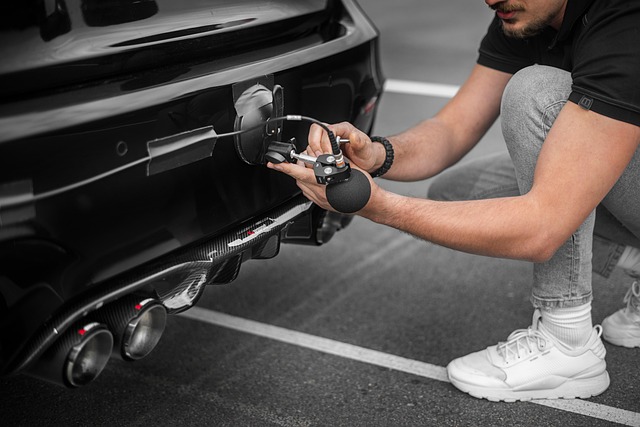
Before registering your car in California, you’ll need to gather essential information and complete a series of steps. This process involves verifying your vehicle’s unique identifier—the Vehicle Identification Number (VIN). In California, this step is crucial as it ensures that all vehicles on the road meet safety and environmental standards. A reliable method for VIN verification, such as mobile VIN inspection or using a trusted mobile VIN verifier, can streamline this process significantly.
To begin, obtain your vehicle’s VIN from its registration documents or the label located under the dashboard on the driver’s side. Next, collect important details like your driving license, proof of insurance, and the sales agreement if you’ve recently purchased the car. Once these documents are ready, head to a California Department of Motor Vehicles (DMV) office or use their online services to submit your application for car registration. During submission, ensure all information is accurate and complete to avoid delays.
When using mobile VIN verification services, these apps or tools will cross-reference your VIN with the manufacturer’s data to validate the vehicle’s history, including any previous owners, accidents, or outstanding issues. This digital inspection can save you time and provide peace of mind that your registration process is on track. Remember, California has specific requirements for vehicle registration, so adhering to these steps will help ensure a smooth transition from ownership to official registration.
Pay Registration Fees and Receive Your California Registration Papers

To complete the registration process in California, you’ll need to pay the required registration fees, which cover various costs associated with vehicle licensing and road maintenance. The fees vary based on the type of vehicle and its age. You can conveniently pay these fees online through the California Department of Motor Vehicles (DMV) website or by visiting a local DMV office. After submitting your application and ensuring all necessary documents are in order, including proof of insurance and a valid VIN verifier, such as a mobile VIN verifier or a certified inspection, you’ll be directed to make the payment. It’s crucial to provide accurate and up-to-date information during this process to avoid any delays.
Upon successful payment, the California DMV will issue your registration papers. These documents formally register your vehicle and grant you legal permission to operate it on California’s roads. You’ll typically receive a registration card and a sticker that needs to be displayed on your vehicle’s window. These papers are essential, and it’s recommended to keep them in a secure place. If you’ve conducted a mobile VIN verification or a recent VIN inspection, ensure these records are also retained, as they may be requested during future vehicle transactions or inspections.
It’s worth noting that maintaining accurate and up-to-date registration documents is not just a legal requirement but also facilitates smoother vehicle transactions and resales. Regularly checking and updating your registration status, including any changes in ownership or vehicle details, ensures compliance with California’s regulations and aids in preventing potential issues during future VIN inspections.
By meticulously preparing the required documents, understanding California’s vehicle registration criteria, utilizing a VIN verifier to ensure a vehicle’s history is clear, and submitting an accurate application, individuals can successfully navigate the car registration process in California. Paying the necessary fees subsequently results in the receipt of official registration papers. This streamlined approach empowers residents to legally register their vehicles with confidence, ensuring a smooth transition from purchase to roadworthiness. Leveraging the insights provided in this article serves as a comprehensive guide for anyone looking to register a vehicle in California, fostering a seamless and informed experience.