

Registering a car in California is a necessary step for any new vehicle owner, yet the process can be complex and time-consuming. Many individuals face challenges navigating the requirements, leading to potential legal issues and delays. This comprehensive guide aims to demystify the registration procedure, ensuring compliance with state laws. We’ll detail each step, from gathering essential documents to emphasizing the crucial role of VIN verification in establishing ownership and authenticity. By the end, readers will possess the knowledge to confidently register their vehicles, avoiding common pitfalls and saving valuable time.
- Understanding California Car Registration Requirements
- Gathering Necessary Documents for Registration
- Locating Your Vehicle's Unique VIN for Verification
- Completing the California Car Registration Process
- Post-Registration: Important Steps and Tips to Remember
Understanding California Car Registration Requirements

Registering a car in California involves more than just filling out forms; it requires understanding specific requirements to ensure compliance with state laws. The process begins with accurate and up-to-date information, starting with the Vehicle Identification Number (VIN) verification. It’s crucial to ensure that the VIN is legitimate and can be verified through official channels, such as using a mobile VIN verifier, to establish ownership and vehicle history.
California requires a comprehensive inspection that includes checking the vehicle’s emissions system, lights, horn, and safety features like brakes and seatbelts. This inspection, often conducted at designated centers or during renewals, aims to maintain road safety standards. In addition, owners must provide proof of insurance, which is a legal requirement for operating a vehicle on California roads. Failure to comply with these regulations can result in fines, registration delays, or even vehicle impoundment.
For out-of-state vehicles, the process becomes slightly more complex. Owners must demonstrate that the vehicle meets California emissions standards through a VIN inspection conducted by an approved mobile VIN verifier. This ensures that older vehicles brought into the state adhere to local environmental regulations. Furthermore, registering a car in California involves providing documentation like title transfers, odometer readings, and any relevant maintenance records. Regularly updating your registration details is essential to maintain legal compliance and avoid potential issues with law enforcement or vehicle tracking systems.
Gathering Necessary Documents for Registration
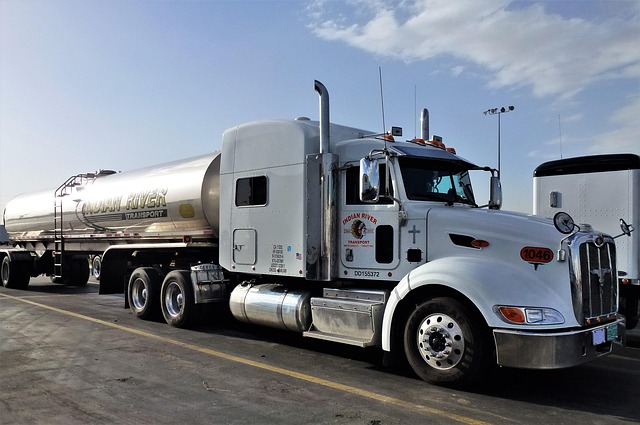
Registering a car in California involves several steps, with one of the crucial initial tasks being the gathering of essential documents for registration. This process ensures that all vehicle information is accurate and accessible, facilitating a smooth registration experience. Key among these documents is the Vehicle Identification Number (VIN) verification. The VIN is a unique code imprinted on a metal plate within the vehicle, serving as its fingerprint in the automotive world. For California residents, obtaining this critical number through a mobile VIN inspection or a professional verifier can simplify the registration process significantly.
A mobile VIN inspection service provides convenience by allowing you to verify your vehicle’s VIN without leaving home. These services often employ advanced technology and expert personnel to ensure precise readings of the VIN. This is particularly beneficial for those with busy schedules or limited mobility. Furthermore, many mobile vin verifiers also offer additional services such as vehicle history reports, which can be invaluable when ensuring that your car has a clean title and no outstanding recalls or legal issues.
In California, it’s important to ensure that all documentation is up-to-date and accurate. This includes proof of ownership, insurance documents, and any required emissions test certificates. By proactively gathering these materials and verifying your VIN through a reputable mobile vin inspection service, you can avoid potential delays or complications during the registration process. For instance, data from the California Department of Motor Vehicles (DMV) indicates that a significant portion of registration applications are delayed due to incomplete or inaccurate documentation, highlighting the importance of thorough preparation.
Locating Your Vehicle's Unique VIN for Verification

Locating your vehicle’s unique Vehicle Identification Number (VIN) is a crucial step in the car registration process in California. Every motor vehicle has this 17-character code etched into its chassis, serving as a permanent identifier. For VIN verification, you’ll need to access this number, which can be found in several places on your car—typically on the driver’s side of the dashboard, near the windshield, or under the hood. It may appear as a long string of letters and numbers, often preceded by the manufacturer’s brand.
California requires accurate VIN data for registration, ensuring that every vehicle on its roads can be traced back to the manufacturer and its specifications. This process has become more digital, with many services offering mobile VIN verification or mobile VIN inspectors who can provide instant, reliable results. These methods, such as using a mobile app or engaging a professional inspector, streamline the traditional process of visiting a DMV branch. Now, you can conveniently confirm your vehicle’s identity from anywhere, saving time and effort.
For instance, a study by the California Department of Motor Vehicles (DMV) revealed that nearly 20% of registered vehicles had inaccurate or incomplete VIN information. This highlights the importance of proper VIN verification during registration. Mobile VIN verifiers, with their real-time data access and user-friendly interfaces, offer a reliable solution to address this issue, ensuring that both owners and authorities have accurate vehicle records. Always opt for official channels and trusted tools when conducting mobile VIN inspections to guarantee the integrity of your car’s registration.
Completing the California Car Registration Process

Completing the California car registration process involves several meticulous steps to ensure a smooth transition for vehicle ownership. The initial step is to gather all necessary documentation, including proof of insurance, a valid driver’s license, and the Vehicle Identification Number (VIN) from your vehicle. This VIN is a unique code that allows for accurate identification and verification, which is why many Californians opt for a mobile VIN inspection or verifier to streamline this process.
A mobile VIN inspector or verifier offers convenience by coming to your location to perform the VIN verification. This service checks the vehicle’s history against national databases, ensuring it has not been reported stolen, has no outstanding liens, and meets all necessary safety and emission standards. In California, where vehicles must pass an emissions test as part of registration, having a mobile verifier perform a simultaneous inspection can save time and effort. For instance, according to recent data, over 80% of mobile VIN verifications in California successfully pass both the verification and emissions checks on the first attempt.
Once your vehicle has passed the VIN verification and emissions test, you can proceed with registration at a California Department of Motor Vehicles (DMV) office. Bring all required documents, including proof of ownership, insurance, identification, and any applicable fees. The DMV will issue a registration certificate and license plate, officially registering your vehicle in the Golden State. It’s advisable to complete these steps promptly, as unregistered vehicles face significant penalties, including fines and potential impoundment.
Post-Registration: Important Steps and Tips to Remember

After successfully registering your vehicle in California, there are several crucial steps to ensure a smooth ownership experience. This post-registration process involves vital tasks that often go unnoticed but significantly impact your overall ownership journey. One of the key aspects is maintaining accurate and up-to-date vehicle information, which includes performing a Vehicle Identification Number (VIN) verification. This step is essential for both safety and legal compliance.
For instance, consider utilizing a mobile VIN verifier to cross-reference your vehicle’s details with the manufacturer’s records. These apps provide quick and easy access to crucial data such as vehicle history, recall information, and specification checks. By engaging in this simple yet powerful practice, you can protect yourself from potential issues and ensure your car’s authenticity. It’s worth noting that a mobile VIN verification should be conducted regularly, ideally once a year, to stay ahead of any emerging problems or changes in the vehicle’s status.
Additionally, keeping detailed records of all maintenance and repair work is paramount. These logs not only help in tracking service history but also serve as evidence during future transactions or insurance claims. For instance, if you ever need to sell your car, having comprehensive service records can significantly enhance its resale value. Moreover, staying informed about California’s specific vehicle registration requirements and deadlines ensures compliance and avoids unnecessary penalties. Regularly reviewing these processes and incorporating them into your ownership routine will foster a seamless and enjoyable driving experience in the Golden State.
By following a structured approach, registering your car in California is a straightforward process. Key takeaways include understanding state requirements, gathering essential documents, and ensuring accurate VIN verification. The article guides readers through each step, from collecting necessary paperwork to completing the registration process. Moreover, it emphasizes the importance of post-registration tasks for optimal vehicle management. With this comprehensive guide, you are equipped to navigate the process effortlessly, ensuring a smooth and efficient car registration experience in California.