

Registering a car in California is a critical step for any vehicle owner, ensuring legal compliance and personal protection. However, navigating the process can be daunting, given the intricate regulations and paperwork involved. This comprehensive guide aims to demystify the procedure, providing a clear, step-by-step approach. We’ll delve into the essential requirements, from gathering necessary documents to utilizing reliable VIN verifier tools, ensuring an efficient and accurate registration process. By following these expert instructions, you’ll gain the knowledge to successfully register your vehicle in California with confidence.
- Understand California Car Registration Requirements
- Gather Necessary Documents for Vehicle Registration
- Prepare Your Vehicle's VIN Verifier for Registration
- Submit Application for Car Registration in California
- Pay Fees and Receive Your Vehicle Registration Certificate
Understand California Car Registration Requirements

Registering a car in California involves understanding specific requirements aimed at ensuring vehicle safety and accountability. The process begins with gathering essential documents, including proof of ownership, valid identification, and evidence of insurance. One critical aspect is verifying the Vehicle Identification Number (VIN), which serves as a unique code for each vehicle. In California, this VIN inspection is mandatory during registration.
A practical step many Californians take advantage of is utilizing mobile VIN verification services. These services allow drivers to have their VIN inspected by a professional remotely, using advanced technology to ensure accuracy. For instance, some companies employ certified technicians who can perform a thorough VIN inspection via phone or video call, providing immediate results. This method offers convenience, especially for those with busy schedules or limited mobility. Data suggests that mobile VIN inspections are becoming increasingly popular, as they streamline the registration process without compromising on precision.
Additionally, California requires vehicles to pass an emission test and safety inspection. These checks ensure that cars meet environmental and safety standards set by the state. During these inspections, officials will verify the accuracy of the VIN displayed on official documents, further emphasizing its importance in the registration process. It’s advisable for owners to keep their records up-to-date and accurate, as any discrepancies may lead to registration delays or issues. By understanding these requirements and leveraging modern tools like mobile VIN verification, drivers can ensure a smooth car registration experience in California.
Gather Necessary Documents for Vehicle Registration

Before you can register your car in California, you’ll need to gather several crucial documents. This process is essential for ensuring a smooth transition from ownership to official recognition by the state. Among these, the Vehicle Identification Number (VIN) plays a central role, serving as a unique fingerprint for your vehicle. Utilizing a mobile VIN verification service or conducting a traditional VIN inspection at a designated location can help you obtain this critical data accurately and efficiently.
A key step in preparing your car for registration is to secure your vehicle’s history report. This document provides insights into its past, including ownership changes, accident records, and maintenance logs. In California, you can obtain this through the Department of Motor Vehicles (DMV) or private third-party services that offer detailed VIN inspection reports. These reports are invaluable as they enable a thorough understanding of your car’s condition and history, which can impact registration requirements and costs.
Additionally, expect to gather typical ownership documents such as proof of purchase, insurance coverage, and valid identification. These ensure your eligibility to register and provide necessary verification. Remember, the specific documentation required may vary slightly depending on the vehicle’s age, source, or any unique circumstances. Therefore, consulting the DMV’s guidelines or seeking expert advice can help ensure you have everything needed for a seamless registration process.
Prepare Your Vehicle's VIN Verifier for Registration

Before you can register your car in California, ensure your vehicle’s VIN (Vehicle Identification Number) is accurately captured by a reliable vin verifier. This crucial step involves verifying the authenticity of your car’s unique identification code, which serves as a permanent record for ownership and maintenance history. In California, this process is typically handled by an authorized service center or through online platforms offering mobile vin inspection services.
A vin verifier, whether stationary or mobile, scrutinizes the VIN by cross-referencing it against databases maintained by manufacturers and government agencies. This ensures that your vehicle’s details match the specifications on record, thereby preventing fraud and misreporting. For instance, a mobile vin verifier can be particularly convenient if you’re buying a used car from a private seller—it allows for an independent inspection before finalizing the sale. This technology is pivotal in today’s digital age, where online transactions and remote vehicle checks are becoming increasingly common.
Choosing a reputable vin inspection service provider is paramount. Look for companies offering mobile vin verifier solutions that guarantee accuracy and privacy. Some services even provide instant reports, enabling you to make informed decisions quickly. Remember, the goal is to ensure your car’s registration process in California is seamless and secure, so select a method that aligns with your comfort level and the vehicle’s history you’re investigating.
Submit Application for Car Registration in California
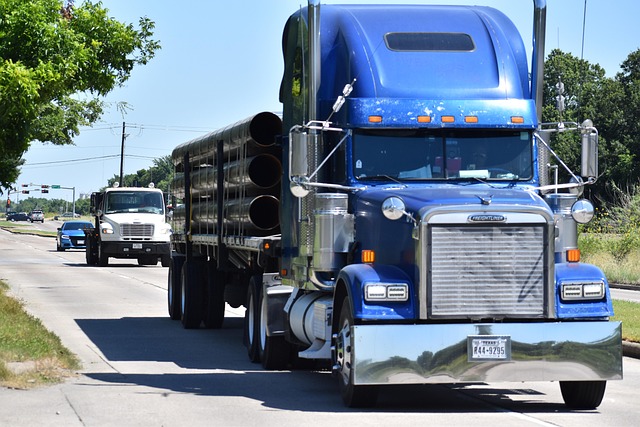
To register your car in California, you’ll need to submit an application through the California Department of Motor Vehicles (DMV). This process involves providing essential documentation and verifying your vehicle’s unique identifier, known as the Vehicle Identification Number (VIN). As part of this submission, ensuring accurate VIN verification is paramount. The DMV offers several methods for this, including mobile VIN verification, which can be conducted by authorized agents at your convenience.
During the application process, you’ll need to present valid identification documents such as a driver’s license or state ID card. Additionally, proof of vehicle ownership, like a title document or purchase agreement, is mandatory. Some applicants may require a smog certificate, especially for vehicles over a certain age or emissions standards. Once all necessary paperwork is ready, submitting your application through the DMV’s online portal or by mail initiates the official registration process.
A critical step in this journey is conducting a VIN inspection to ensure the accuracy of your vehicle’s details. Mobile VIN inspection services provide convenience by allowing authorized agents to visit you at home or work to verify the VIN and other crucial information. This service, coupled with digital documentation submission, streamlines the registration experience, making it efficient and stress-free for California residents. It’s advisable to start early and gather all required documents to avoid delays.
Pay Fees and Receive Your Vehicle Registration Certificate
After gathering all your required documents and ensuring your vehicle meets California’s safety standards, it’s time to pay the associated fees and receive your Vehicle Registration Certificate (VC). This crucial step completes the registration process, making your vehicle legal to drive on California roads. The fee structure varies depending on several factors, including your vehicle’s type, age, and emission standards. For example, while a standard car might incur a base fee of around $50, electric vehicles often have lower fees due to their environmental benefits.
A key component of this process involves utilizing a VIN verifier to ensure the authenticity and history of your vehicle’s VIN (Vehicle Identification Number). Many California Department of Motor Vehicle (DMV) locations now offer on-site mobile VIN verification, allowing you to complete this step quickly during your visit. Alternatively, some third-party services provide vin inspection through advanced online platforms, leveraging technology for a seamless experience from the comfort of your home. This VIN verification process is essential, as it checks against California’s records and helps detect any potential issues or discrepancies.
Once your VIN has been verified and all fees are paid, you’ll be issued your official Vehicle Registration Certificate. It’s advisable to keep this document in a secure place within your vehicle at all times, as it serves as proof of registration and insurance—essential for any traffic stops or road inspections. Additionally, consider keeping digital copies for easy access and peace of mind.
By following these clear steps, from understanding California’s car registration requirements to submitting your application and paying fees, you’ve equipped yourself with the knowledge needed to successfully register your vehicle in California. The process involves gathering essential documents, preparing your vehicle’s VIN verifier, and ensuring all necessary information is accurate. Remember, a properly registered vehicle not only complies with legal obligations but also ensures smoother driving experiences, easier maintenance, and better access to road services. Your investment in this straightforward process pays off in peace of mind and the security of knowing your vehicle is officially recognized on California’s roads.