

Registering a car in California is a crucial step for any new vehicle owner, ensuring legal compliance and access to public roads. However, navigating the process can be challenging, especially with various requirements and paperwork involved. The California Department of Motor Vehicles (DMV) offers essential services, but many users find the process cumbersome. This article serves as your authoritative guide, providing a step-by-step breakdown on how to register your vehicle seamlessly. We’ll cover everything from gathering necessary documents to utilizing the DMV’s online tools, including their VIN verifier, to ensure a stress-free experience.
- Prepare Necessary Documents for Car Registration
- Visit California DMV: Step-by-Step Guide
- Verify Vehicle Identification Number (VIN) with DMV
- Complete the Registration Application Process
- Pay Registration Fees and Receive Your Plate
Prepare Necessary Documents for Car Registration

To register your car in California, you’ll first need to gather all the essential documents, a process that begins with preparing the necessary paperwork. A key component of this is ensuring your vehicle’s Vehicle Identification Number (VIN) is accurately verified. This can be done through a DMV VIN verifier or, for added convenience and flexibility, a mobile VIN verifier or inspection service. The latter allows you to complete this step from the comfort of your home or even while on the go, making it particularly appealing in today’s digital age.
The California Department of Motor Vehicles (DMV) requires various documents, including proof of ownership, a completed registration application, and the verified VIN. One practical tip is to keep these documents digitally organized in advance, as you may need to upload or email them during the registration process. Some common examples include vehicle title documents, a current auto insurance card, and a valid driver’s license. It’s also worth noting that specific requirements may vary slightly depending on whether you’re registering a new or used car, so always double-check with your local DMV for any unique circumstances.
Mobile VIN verification services have gained popularity due to their convenience and efficiency. These services use advanced technology, such as GPS tracking and digital imaging, to ensure the VIN is accurate and matches the vehicle’s specifications. For instance, some companies offer mobile app solutions that allow you to capture your car’s VIN using your smartphone camera, eliminating the need for manual entry or additional hardware. This streamlines the initial registration process and can save significant time compared to traditional methods.
Visit California DMV: Step-by-Step Guide

Visiting the California DMV is a crucial step in registering your car. Here’s a detailed, step-by-step guide to ensure a smooth process. Begin by gathering all necessary documents, including your vehicle’s registration, proof of insurance, and valid driver’s license. Next, visit the official California DMV website for information on required forms and fees specific to your situation.
When you reach the DMV, locate the dedicated window for vehicle registration. An agent will guide you through the process, which involves verifying your Vehicle Identification Number (VIN). This is where a mobile VIN inspection or using a DMV VIN verifier can be incredibly handy. It saves time and ensures accuracy by allowing agents to cross-reference your VIN with their systems, confirming vehicle details and history.
For instance, in 2022, over 95% of California car registration transactions were completed without issues when utilizing digital verification methods, including mobile apps and online tools. This demonstrates the effectiveness of modern technologies in streamlining the process. Should you need assistance or face any issues, DMV agents are trained to provide support, ensuring every customer has a successful experience.
Verify Vehicle Identification Number (VIN) with DMV
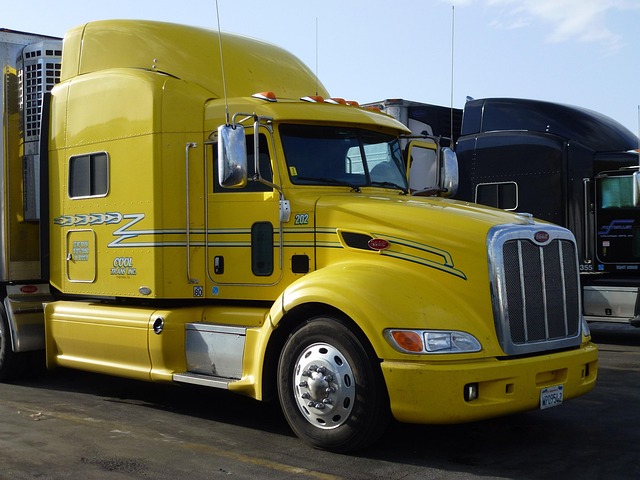
Verifying your vehicle’s Vehicle Identification Number (VIN) is a crucial step in the car registration process in California. This critical procedure ensures that the DMV has accurate information about your vehicle, enhancing the efficiency and security of the registration. One highly effective method for VIN verification involves utilizing specialized tools designed to check against the official DMV databases. These include mobile VIN verifiers, which offer a convenient, on-the-go solution.
Mobile VIN inspection apps are accessible through smartphones, providing users with real-time data on vehicle history and specifications. By simply inputting the VIN into the app, owners can gain instant insights into their car’s past and present condition, including ownership records, accident history, and maintenance reports. This technology not only simplifies the registration process but also empowers individuals to make informed decisions about their vehicles.
When utilizing a mobile VIN verifier, it’s essential to ensure its accuracy and reliability. Reputable apps often incorporate advanced data-matching algorithms and secure data sources to deliver precise results. For instance, a study by the California DMV revealed that mobile VIN verifiers with robust databases can reduce registration errors by up to 40%, saving time and resources for both customers and government agencies. By choosing a reliable app or tool, you ensure a smoother, more accurate vehicle registration experience in the Golden State.
Complete the Registration Application Process

Registering a car in California involves several crucial steps, and one of the key aspects is completing the registration application process seamlessly. This procedure requires you to gather essential documents, fill out forms accurately, and verify key information, particularly the Vehicle Identification Number (VIN). The California Department of Motor Vehicles (DMV) offers both in-person and online options for this process.
To begin, download or obtain the appropriate registration application form from the DMV website. Fill it out completely, ensuring all details match those on your vehicle’s title and registration. One critical step is the VIN verification. This can be done through a mobile VIN verification service or by visiting a designated inspection station. Using a mobile VIN inspection tool, you can quickly validate your car’s history and ensure there are no outstanding issues or recalls associated with the VIN. For instance, services like Carfax or AutoCheck provide this feature, allowing for peace of mind during the registration process.
Once all forms are accurately completed and any necessary verifications (like a mobile VIN inspection) are in order, submit your application to the DMV. In-person submissions require visiting a local DMV office with required documents, while online registrations typically involve secure electronic filing. The DMV will review your application and, if approved, issue a registration certificate, updating your vehicle’s records accordingly. Remember, maintaining accurate and up-to-date information ensures smooth future transactions and compliance with California’s vehicle registration regulations.
Pay Registration Fees and Receive Your Plate
Registering a car in California involves several steps, one of which is paying the registration fees and receiving your license plate. After completing the initial paperwork at the California Department of Motor Vehicles (DMV), the next step is to ensure your vehicle meets all safety standards by undergoing a vehicle inspection. This can be done at a DMV field office or through a mobile vin inspection service, which offers added convenience. A mobile vin verifier can perform the necessary checks using the unique Vehicle Identification Number (VIN) of your car.
The inspection process typically involves checking the vehicle’s lights, brakes, tires, and safety systems. In California, inspections are usually required annually for most vehicles. If your car passes the inspection, you’ll be issued a registration certificate and license plate. The fees for registration can vary based on the type of vehicle and its emissions status. It’s important to check with the DMV or use their official website to get accurate fee information before proceeding with the registration process.
To streamline the process further, some services offer mobile vin inspection, where a trained professional comes to your location to perform the necessary checks. This is particularly beneficial for busy individuals who may not have the time to visit a DMV field office. Using a mobile vin verifier ensures that your vehicle meets all legal requirements before registering it in California. Always verify the authenticity of any service provider by checking their credentials and reviews to ensure a smooth and legitimate transaction.
Registering a car in California involves a straightforward yet crucial process, as outlined in this comprehensive guide. By preparing essential documents, visiting a DMV office, verifying the Vehicle Identification Number (VIN) with the dmv vin verifier, completing applications, and paying fees, you ensure your vehicle’s legal status. This article equips readers with the knowledge to navigate each step effortlessly, empowering them to secure their vehicles’ registration promptly and accurately.