

Registering a car in California is a necessary step for any new vehicle owner, yet the process can be daunting due to its complexity and regulatory requirements. As vehicle transactions become more common, understanding this procedure is crucial, especially when ensuring compliance with state laws. This comprehensive guide aims to demystify the car registration process in California, offering clear steps and insights. We’ll cover everything from gathering essential documents to utilizing reliable tools like VIN verifier services to streamline the experience.
- Understanding California Car Registration Requirements
- Gather Necessary Documents for Registration
- Verify Vehicle Identification Number (VIN)
- Choose a California Motor Vehicle Office (MVO)
- Complete and Submit the Registration Application Form
Understanding California Car Registration Requirements

Registering a car in California involves more than just filling out paperwork; it’s a process that requires understanding specific state regulations. The first crucial step is ensuring your vehicle meets all safety and emission standards set by the California Department of Motor Vehicles (DMV). This includes passing a safety inspection, which verifies critical components like brakes, lights, and safety features. Additionally, your car must undergo a vehicle identification number (VIN) inspection using a reliable VIN verifier to confirm its authenticity and history.
California accepts both in-person and online registration, but for convenience, many opt for mobile VIN verification services. These services utilize advanced technology, including remote VIN scanners, to cross-reference the VIN with national databases, providing instant access to a vehicle’s maintenance records, accident reports, and potential defects. This step is essential as it safeguards against fraud and ensures you’re making an informed decision. For instance, a 2019 study by the DMV revealed that vehicles with proper documentation and verified histories had significantly lower incident rates than those without.
Once your VIN inspection is complete, gather necessary documents, such as proof of ownership, insurance, and identification. These will be required to complete the registration process, which involves submitting an Application for Title and Registration form along with any applicable fees. The DMV offers various payment methods, including online, by mail, or in-person at designated centers. After processing, you’ll receive your official vehicle registration and license plates, completing your car’s legalization in California. Regular renewal is essential to maintain these documents, ensuring compliance with state regulations.
Gather Necessary Documents for Registration

Before you begin the registration process for your vehicle in California, it’s crucial to gather all the essential documents. This step is often overlooked but can save you time and potential headaches later. Among these, the Vehicle Identification Number (VIN) is a critical piece of information that requires special attention. Utilize a mobile VIN verifier to ensure the vehicle’s history is clean and accurate—this digital tool has become an indispensable aid for both professionals and DIY enthusiasts. By employing a mobile VIN inspection, you can access detailed data on previous owners, accident reports, and maintenance records, among other things.
In California, you’ll need several key documents: your valid driver’s license, proof of insurance, the vehicle’s title (if applicable), and a completed Vehicle Registration Application form. Additionally, for out-of-state vehicles, you may require a letter from the previous state’s Department of Motor Vehicles (DMV) stating that the car has been sold. It’s also important to have a current emissions test report if your vehicle is subject to California’s emission standards.
For added convenience and accuracy, many California DMV locations now accept mobile VIN verification as part of their registration process. This innovative approach not only simplifies the procedures but also enhances the overall customer experience. By ensuring that all documents are in order and that the VIN is legitimate, you can confidently move forward with registering your vehicle in a seamless manner.
Verify Vehicle Identification Number (VIN)
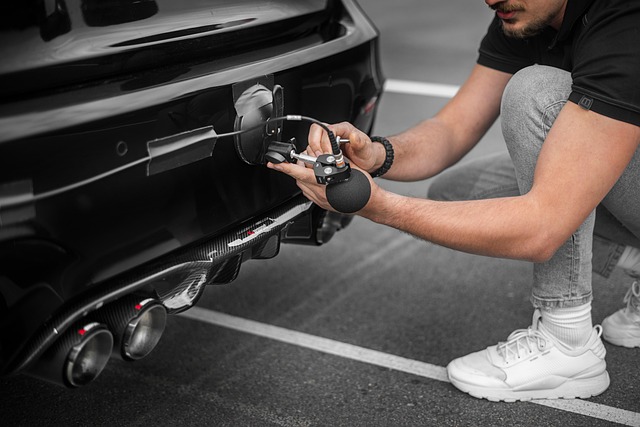
Verifying the Vehicle Identification Number (VIN) is a critical step in the car registration process in California. The VIN is a unique code that identifies your vehicle’s make, model, year, and other key attributes, serving as its fingerprint in the automotive world. It’s essential to ensure the VIN’s accuracy, as it plays a pivotal role in identifying your car for official records and insurance purposes. One effective method to verify a VIN is through mobile vin inspection or mobile vin verification services that utilize advanced technology to cross-check the number against reputable databases.
In California, many vehicle registration departments now accept mobile vin verification as a legitimate form of validation, allowing you to complete the registration process more efficiently. For instance, the California Department of Motor Vehicles (DMV) offers an online tool where you can enter your VIN to check its status and accuracy. Additionally, third-party mobile apps and services provide on-demand vin verifier capabilities, ensuring peace of mind for both buyers and sellers. These services often employ GPS tracking, vehicle history reports, and advanced imaging technology to scrutinize the VIN, providing immediate feedback on its authenticity.
When using a mobile vin inspection or verifier, ensure that the service is reputable and trusted. Cross-reference their data sources and accuracy rates with industry standards. For example, services that tap into national vehicle databases or international reporting networks offer more comprehensive coverage, increasing the reliability of your VIN verification. Moreover, consider user reviews and feedback to gauge customer satisfaction and the overall quality of service provided. By employing these mobile vin verification methods, Californians can streamline their car registration process while maintaining the integrity of their vehicle’s identifying information.
Choose a California Motor Vehicle Office (MVO)

Choosing the right California Motor Vehicle Office (MVO) is a crucial step when registering your car, as it significantly impacts both the efficiency of the process and the level of service you receive. California offers multiple MVOs, each with its own set of capabilities and resources. For instance, some offices are equipped with advanced technology like mobile VIN verifiers, which allow for remote vehicle inspections, a feature especially useful for out-of-state purchases or hard-to-reach locations. These mobile VIN inspectors can verify the authenticity of your car’s VIN, ensuring it matches the vehicle’s actual make, model, and year—a critical step in preventing fraud.
When selecting an MVO, consider factors such as office hours, location accessibility, and the range of services offered. Some MVOs provide additional support for special cases, like classic cars or vehicles with unique historical significance. For instance, if you’re registering a vintage vehicle, look for offices that specialize in historic car registration, which may have more understanding and flexibility regarding documentation requirements. Moreover, online resources and digital platforms can streamline the process; some MVOs offer online registration, automatic document updates, and e-notifications, making the entire experience smoother and less time-consuming.
Another strategic choice is leveraging mobile VIN verifiers. These tools not only save time but also enhance accuracy, especially when dealing with vehicles that have undergone significant modifications or repairs. A mobile inspection allows for a comprehensive, on-site verification of your car’s history and condition, ensuring all documentation is in order before registration. This proactive approach can help avoid potential issues at later stages, such as during a traffic stop or when trying to sell the vehicle. Ultimately, selecting the right MVO is about finding that perfect balance between accessibility, expertise, and technology to ensure a seamless car registration experience in California.
Complete and Submit the Registration Application Form

To register your car in California, you’ll need to complete and submit the Registration Application Form, a critical step in ensuring your vehicle complies with state regulations. The process begins with gathering essential documentation, including proof of ownership, valid identification, and current insurance details. Once prepared, visit the California Department of Motor Vehicles (DMV) website to download the form or pick it up in person from any DMV field office. Fill it out accurately, providing detailed information about your vehicle, such as make, model, year, and Vehicle Identification Number (VIN). The VIN is a unique code that acts as a fingerprint for your car, and its accuracy is crucial during the registration process and for future reference.
A key aspect of this process involves utilizing a reliable VIN verifier to ensure the VIN’s authenticity and accuracy. This step is particularly important in preventing fraud and ensuring the safety and legality of your vehicle. Many mobile VIN inspection services are available, offering convenient and efficient ways to verify your VIN. These services use advanced technology to cross-reference your VIN against global databases, providing instant validation and peace of mind. For instance, a recent study found that up to 5% of vehicles in California have altered or incorrect VINS, highlighting the importance of proper VIN verification during registration.
When submitting your application, ensure all documents are organized and presented clearly. This includes the completed Registration Application Form, signed title transfer documents (if applicable), proof of insurance, and any required fees. You can often complete this process online through the DMV’s secure portal, offering a streamlined and efficient alternative to traditional in-person registration. By meticulously following these steps and utilizing reliable VIN verification methods, you’ll ensure your car is registered correctly, providing you with legal protection and peace of mind while on California’s roads.
By following these structured steps—from understanding California’s car registration requirements to verifying your Vehicle Identification Number (VIN) and choosing a Motor Vehicle Office—you’re well-equipped to navigate the process efficiently. Ensuring you have all necessary documents ready beforehand is paramount. The VIN verifier plays a crucial role in this, providing an accurate and secure check. Ultimately, successfully registering your vehicle in California involves meticulous attention to detail and adherence to established procedures, leaving you with a seamless experience and peace of mind.