

Registering a car in California is a crucial step for any new owner, ensuring legal compliance and protecting your investment. However, navigating the process can be daunting, with its complex regulations and paperwork. This comprehensive guide aims to demystify the procedures, offering a clear, step-by-step approach. We’ll delve into everything from gathering essential documents to utilizing reliable VIN verifiers to ensure authenticity. By following these expert instructions, you’ll efficiently complete the registration process, driving away with peace of mind and a legally registered vehicle.
- Understand California Car Registration Requirements
- Gather Necessary Documents for Vehicle Registration
- Prepare Your Vehicle's VIN Verifier Report
- Submit Applications and Fees to the DMV
- Finalize Your Car Registration and Plate Issuance
Understand California Car Registration Requirements

Registering a car in California involves understanding several key requirements aimed at ensuring vehicle safety, security, and environmental compliance. One of the critical steps is obtaining an accurate Vehicle Identification Number (VIN) inspection. This unique 17-character code serves as a fingerprint for your vehicle, and its verification is essential throughout the registration process. Utilize a reliable mobile VIN verifier to ensure the number is genuine and matches the vehicle’s specifications. This step is crucial, as California requires this verification to combat vehicle odometer fraud, a common issue across the nation.
In California, the Department of Motor Vehicles (DMV) oversees car registration. They mandate that vehicles undergo a safety inspection, which includes checking the VIN, to ensure they meet the state’s safety standards. This process is designed to identify potential issues, especially with older vehicles. Additionally, for vehicles over a certain age or with specific emissions systems, a smog test is required. These tests, coupled with a successful VIN inspection using a mobile verifier, demonstrate the vehicle’s compliance and facilitate a seamless registration process.
Beyond the technical aspects, California also has specific registration fees and documentation needs. Owners must provide proof of insurance, a valid driver’s license, and perhaps the vehicle’s purchase documents. The DMV offers both in-person and online registration options, but it’s essential to verify the accuracy of all submitted information. An incorrect VIN, for instance, could lead to registration delays or even denial, underscoring the importance of meticulous record-keeping and the use of reliable mobile VIN verification tools.
Gather Necessary Documents for Vehicle Registration
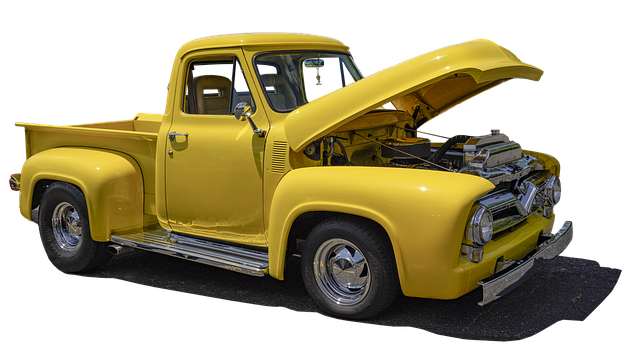
Before you can register your car in California, you’ll need to gather several key documents. This process is a crucial step in ensuring proper ownership and compliance with state regulations. One essential tool that aids in this process is a VIN verifier, which allows for a comprehensive check of your vehicle’s history using its unique Vehicle Identification Number (VIN). In California, as in many states, you can utilize mobile VIN inspection and mobile VIN verification services to streamline the initial stages of registration.
To begin, obtain the Certificate of Title from the previous owner. This document is vital for establishing your ownership rights. Additionally, gather valid identification documents such as a driver’s license or state ID card. If you’re purchasing the vehicle, you’ll also need the seller’s signed Bill of Sale. Another critical step is to verify that the vehicle isn’t stolen; this can be done through an online check using a mobile VIN verifier. Services like these provide immediate access to detailed vehicle history reports, ensuring your car has a clean record.
It’s important to note that specific requirements may vary based on the type of vehicle and its age. For instance, classic cars or vehicles over a certain age might have different documentation needs. Always check with the California Department of Motor Vehicles (DMV) for the most up-to-date and accurate information. Utilizing mobile VIN verification services can help you save time and effort in gathering these documents, as they often provide digital copies of necessary paperwork and streamline the process of confirming a vehicle’s history.
Prepare Your Vehicle's VIN Verifier Report

Before registering your vehicle in California, ensure you have all the necessary documents, including a Vehicle Identification Number (VIN) Verifier Report. This crucial step involves obtaining an accurate and official VIN inspection to verify the vehicle’s history and authenticity. The process is straightforward, but it requires precision and adherence to state regulations. Many California residents opt for mobile VIN verification services, which offer convenience and expertise in one visit.
Obtaining a VIN Verifier Report entails engaging the services of an accredited or certified vehicle history reporter. These professionals use specialized tools to pull data from various databases, providing a comprehensive report on the vehicle’s past, including ownership history, accident records, and outstanding liens. It’s essential to choose a reputable service; some mobile VIN inspectors offer this service on-site, ensuring the report’s integrity and timeliness. This step is particularly vital for new or used car purchases, as it protects buyers from potential fraud or undisclosed issues.
For instance, consider a scenario where a buyer acquires a seemingly perfect classic car but later discovers hidden damage and mileage tampering. A mobile VIN verifier can play a pivotal role in such cases by providing an unbiased, on-the-spot inspection, ensuring the seller’s transparency. This practice not only safeguards consumers but also promotes honest transactions, fostering trust within the California automotive community. Remember, a valid VIN Verifier Report is an indispensable component of the registration process, demonstrating your vehicle’s legitimacy and compliance with state laws.
Submit Applications and Fees to the DMV

To register your car in California, after gathering all necessary documents, it’s time to submit your applications and fees to the Department of Motor Vehicles (DMV). This crucial step involves several precise actions to ensure a smooth process. Begin by filling out Form DMV-140, which is the Application for Title and Registration. This form requires detailed vehicle information, including the Vehicle Identification Number (VIN), make, model, year, and current odometer reading. Accurate completion of this form is essential, as it serves as a legal record and facilitates accurate tracking through the DMV’s system.
Alongside Form DMV-140, you’ll need to submit supporting documents such as proof of identification, vehicle ownership, and insurance. These documents ensure that both the car and its owner meet California’s requirements. Notably, some counties in California offer the option of a mobile VIN inspection or mobile VIN verifier service, allowing for added convenience during the registration process. This service involves a certified specialist who uses advanced technology to verify the VIN accuracy of your vehicle remotely, potentially saving you a trip to the DMV.
Upon gathering all necessary forms and documents, visit your local DMV office or use their online services to submit your application and pay the required fees. The fee structure includes base registration fees, emissions testing fees (if applicable), and any additional charges based on your vehicle’s classification. Keep in mind that specific fees can vary based on factors like vehicle age and emission standards. It’s advisable to check the DMV’s official website or consult with a local DMV representative for up-to-date fee information tailored to your circumstances, ensuring you’re prepared with the appropriate payment methods.
Finalize Your Car Registration and Plate Issuance

After completing your car purchase, the next step in registering your vehicle in California involves finalizing the registration process and obtaining your license plates. This crucial phase ensures your car complies with state regulations and allows you to legally operate it on public roads. The process typically includes a comprehensive inspection, where a vin verifier plays a vital role in confirming your vehicle’s authenticity and history.
In California, the Department of Motor Vehicles (DMV) oversees vehicle registration. To finalize registration, you’ll need to visit a DMV field office with your required documents. These include proof of purchase, proof of insurance, and your vehicle’s vin (vehicle identification number). Here, a mobile vin verification or inspection can prove invaluable. Many services now offer the convenience of on-site or mobile vin checking, ensuring a swift and accurate confirmation of your car’s details. This modern approach streamlines the process, saving you time and potential headaches later.
During this visit, a DMV inspector will conduct a thorough examination of your vehicle. They’ll verify the vin matches the one listed in the registration documents using advanced technology, including mobile vin verifiers. These devices scan and cross-reference the vin with national databases to unveil any hidden issues or discrepancies. For instance, a simple mobile vin inspection might reveal outstanding recalls, previous accidents, or potential odometer rollback—all critical factors in determining your car’s true value and safety. By utilizing these modern tools, California drivers can ensure a transparent and secure registration process.
Upon successful completion of the inspection, the DMV will issue your license plates. These plates are a visible testament to your car’s compliance with state standards. Remember, maintaining accurate records and undergoing thorough inspections contribute to a seamless car ownership experience. So, when finalizing your registration, embrace the benefits of technology-aided verifications like mobile vin checks to ensure a stress-free journey ahead.
By following these comprehensive steps, from understanding California’s car registration requirements to finalizing your vehicle’s plate issuance, you’ve equipped yourself with the knowledge necessary to successfully register a car in California. Ensuring you have all the required documents, including a valid VIN verifier report, is crucial for a smooth process. Remember, accurate and up-to-date information is key; always refer to official DMV resources when navigating any complexities. This authoritative guide empowers you to confidently take the next steps, ensuring your vehicle is legally registered and ready to hit the California roads.