

Registering a car in California is a vital step for any new owner, ensuring legal compliance and smooth operation on the state’s roads. However, navigating the process can be challenging, with various requirements and procedures that often leave owners confused. This comprehensive guide aims to demystify the process, offering step-by-step instructions to ensure a stress-free experience. We’ll delve into every aspect, from gathering essential documents to the crucial DMV VIN verification, providing you with the knowledge needed to register your vehicle efficiently and accurately.
- Gather Necessary Documents for Car Registration
- Prepare Your Vehicle for DMV Inspection and VIN Verification
- Complete the California Car Registration Application
- Submit Your Application and Pay Fees at the DMV
- Receive Your Vehicle's Registration and Insurance Validation
Gather Necessary Documents for Car Registration

Registering a car in California involves a meticulous process, ensuring all necessary documents are prepared beforehand significantly streamlines the procedure. Central to this is obtaining an accurate Vehicle Identification Number (VIN) inspection, a crucial step often facilitated by services offering mobile VIN inspection. These professionals employ specialized equipment for a thorough VIN verification, cross-referencing data against state records to ensure vehicle authenticity and history.
This process becomes especially vital when purchasing a used car from a private seller or dealership outside of California initially. For instance, out-of-state vehicles require specific documentation, such as a Certificate of Title from the original state of registration, which must be presented during the registration process at the California Department of Motor Vehicles (DMV).
Beyond VIN inspection, other key documents include proof of insurance, a valid driver’s license, and proof of residency. Examples of acceptable residency documentation range from utility bills to bank statements. These documents serve as verifiers of your identity, residence, and insurance coverage – all mandatory for legal vehicle registration.
For added convenience, many mobile VIN inspection services also offer document gathering assistance, providing a comprehensive checklist tailored to California’s requirements. This proactive approach ensures no crucial paperwork is overlooked, simplifying the registration journey and ensuring compliance with state regulations.
Prepare Your Vehicle for DMV Inspection and VIN Verification

Before you can register your car in California, your vehicle must pass a crucial step: DMV vin verification. This process ensures that your car meets all safety and emission standards set by the state. To prepare for this inspection, start by ensuring your vehicle is in good working condition. Check for any outstanding maintenance issues, such as faulty lights or worn-out brakes, which could fail the DMV vin inspection. Keep detailed records of all service and repair work to demonstrate proper care and maintenance.
Additionally, familiarize yourself with the California Department of Motor Vehicles (DMV) requirements for VIN (Vehicle Identification Number) verification. This step involves providing proof that your car’s VIN is accurate and matches the make, model, and year listed on the registration documents. Many vehicle owners opt for a mobile vin verification service to streamline this process. These services use specialized tools to cross-reference your VIN with national databases, offering a convenient and often faster alternative to traditional methods.
For instance, some mobile vin verifiers can provide instant results at your convenience, whether you’re at home or in a DMV office. This technology ensures accuracy and saves time, especially for those who may face challenges accessing physical records. Remember, accurate VIN documentation is vital during the registration process. By completing these steps and ensuring your vehicle passes the DMV vin inspection, you’ll be well on your way to registering your car smoothly and efficiently in California.
Complete the California Car Registration Application

Registering a car in California involves several crucial steps, one of which is completing the California Car Registration Application. This process can be streamlined by utilizing modern tools like mobile VIN verifiers for accurate and efficient vehicle identification number (VIN) inspection. A VIN is a unique 17-character code that serves as a fingerprint for your vehicle, and its verification is a critical part of the registration process.
To begin, gather essential documents such as proof of ownership, insurance, and identification. The application form will require detailed information about your vehicle, including the VIN. Here, a mobile VIN verifier can be particularly handy. These devices allow you to quickly and easily capture the VIN from your car’s registration or on the vehicle itself, ensuring no errors during data entry. Once the VIN is confirmed, the form must be accurately completed with details like make, model, year, and any modifications.
Submitting the application along with the necessary fees to the California Department of Motor Vehicles (DMV) completes this phase. The DMV will conduct a VIN inspection as part of their routine verification process. Using a mobile VIN verifier before submission can enhance this process by providing instant validation, reducing potential delays or issues. It’s recommended to double-check all information for accuracy to avoid unnecessary complications during the registration journey.
Submit Your Application and Pay Fees at the DMV
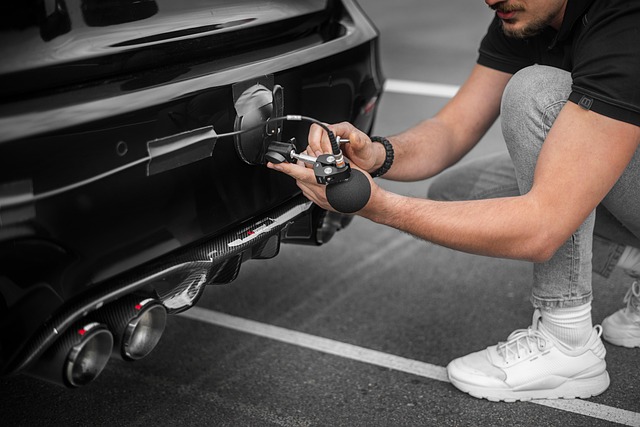
After gathering all your required documents and ensuring your vehicle meets California’s legal standards, it’s time to submit your application and complete the DMV VIN verification process. This crucial step involves visiting a local Department of Motor Vehicles (DMV) office or utilizing their online services to officially register your car. During this phase, you’ll provide essential information, pay relevant fees, and confirm your vehicle’s identity through a meticulous VIN (Vehicle Identification Number) inspection.
DMV staff will examine the VIN on your car, cross-referencing it with manufacturer records to ensure authenticity. This process, often facilitated by a mobile VIN verifier or on-site vin inspection tools, is mandatory for establishing the vehicle’s history and compliance with California’s regulations. It’s important to be prepared with all necessary documents, including proof of ownership, registration from the previous state (if applicable), and any emissions test results required for your specific vehicle year and model.
In some cases, you can streamline the process by utilizing the DMV’s online services, which may allow for preliminary application submission and fee payment. However, physical inspection at a DMV office remains common for finalization. It’s advisable to check with your local DMV for their specific procedures and any additional requirements, as regulations can vary slightly across California’s diverse regions.
Receive Your Vehicle's Registration and Insurance Validation

Receiving your vehicle’s registration and insurance validation is a crucial step in the car registration process in California. Once you’ve gathered all necessary documents and passed the DMV vin verification, it’s time to ensure your vehicle is legally registered and insured. This involves obtaining a registration certificate from the California Department of Motor Vehicles (DMV) and confirming your auto insurance coverage.
One efficient method to streamline this process is through mobile VIN verification services. These services allow you to complete a VIN inspection remotely, using your smartphone or tablet. A mobile vin verifier can check the vehicle’s history, including any accidents, outstanding loans, or reported thefts, by simply scanning the unique Vehicle Identification Number (VIN). This digital approach not only saves time but also enhances accuracy, as it eliminates potential errors during manual data entry.
For instance, consider a scenario where you purchase a used car from an out-of-state seller. Instead of physically transporting the vehicle to a DMV office for inspection, you can utilize a mobile vin verification app. This app will cross-reference the VIN with national databases to provide real-time information about the car’s history, giving you peace of mind and ensuring compliance with California’s registration requirements. It’s advisable to choose reputable apps or services that are recognized by the DMV to ensure validity and reliability.
To ensure a smooth transition, familiarize yourself with the process well in advance. The California DMV offers various resources, including online forms and guides, to help you navigate the registration and insurance validation process efficiently. Additionally, consulting with an automotive professional or insurance agent can provide valuable insights tailored to your specific situation, making the entire experience less daunting.
Registering a car in California involves several crucial steps, from gathering essential documents to completing application forms and undergoing DMV VIN verification. Key takeaways include ensuring all necessary paperwork is prepared, accurately entering vehicle information, and presenting valid insurance proof. The process demands meticulous attention to detail throughout, from inspecting your vehicle’s condition to verifying its unique identifier (VIN) for accuracy. Successful registration grants you a valid car registration and confirmation of insurance coverage, allowing you to legally operate your vehicle within the state. This authoritative guide equips readers with the knowledge to navigate these steps efficiently, ensuring a smooth and stress-free car registration experience in California.